
Laser Therapy for Dogs
Laser therapy is a safe, non-invasive treatment used to help reduce pain, decrease inflammation, and support the body’s natural healing processes. It is commonly used in dogs with conditions such as arthritis, joint injuries, muscle strains, and during recovery after surgery, and can also help promote faster wound healing by improving circulation and encouraging tissue repair.
The treatment uses specific wavelengths of light that pass through the skin and reach the underlying tissues. This light energy helps stimulate the body’s natural healing processes by improving circulation, reducing inflammation, and encouraging cells to repair damaged tissue. In simple terms, laser therapy helps the body heal more efficiently and reduces discomfort in painful areas.
What Happens During Laser Therapy?
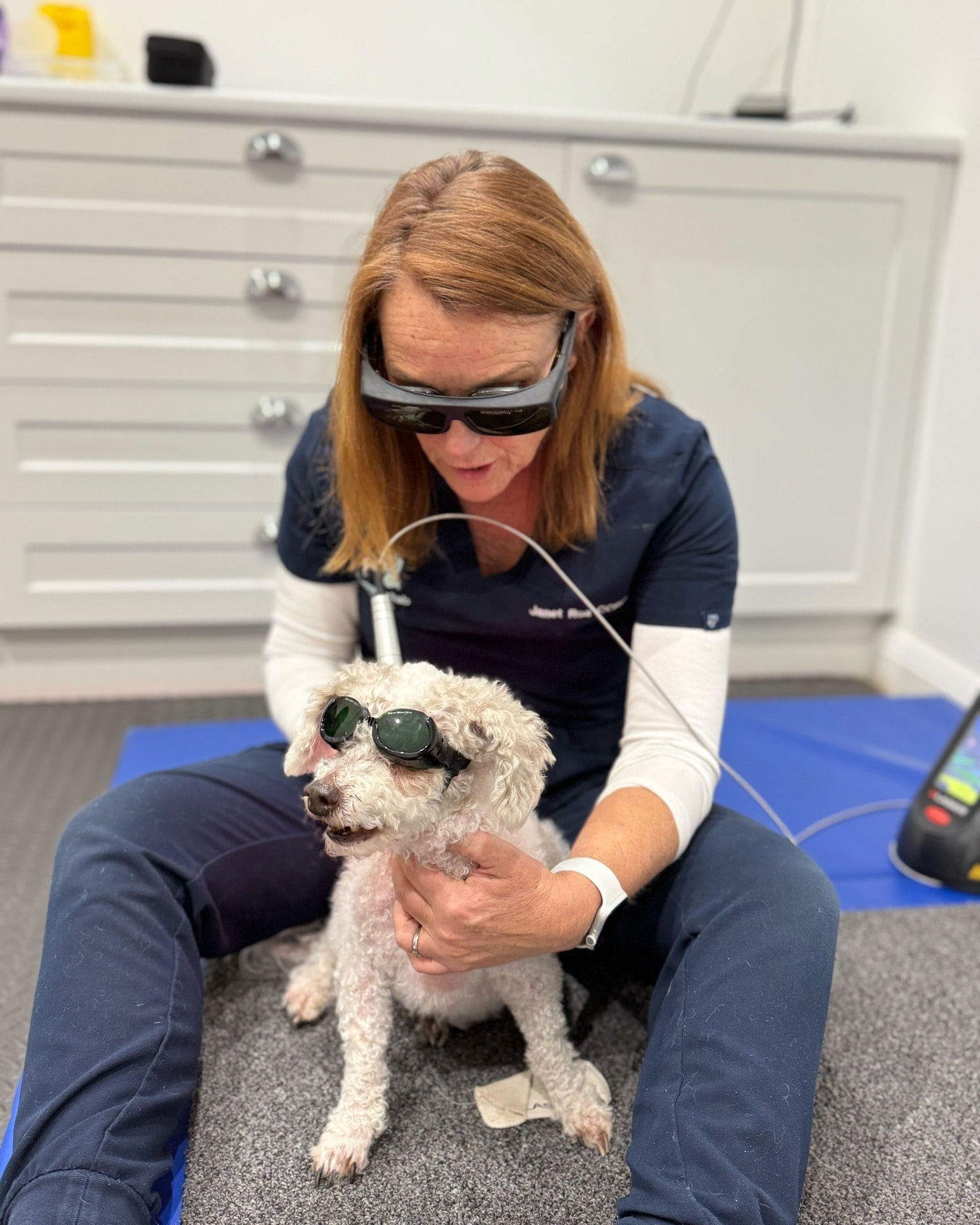
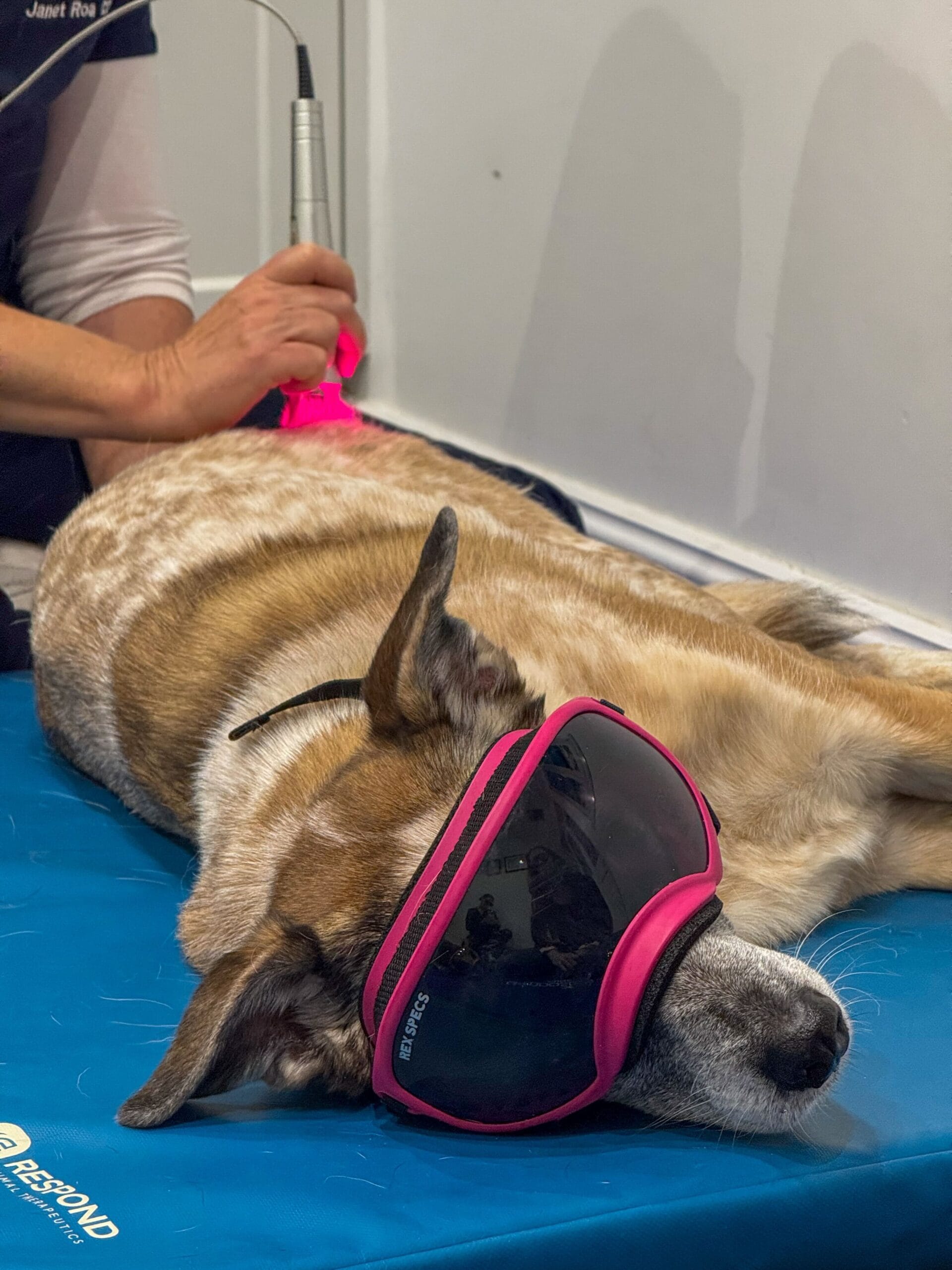
Laser therapy sessions are quick and comfortable for dogs. A small handheld device is gently moved over the affected area while the therapeutic light is delivered to the tissues. Most treatments take between 5 and 10 minutes, depending on the size of the area being treated and your dog’s condition. Many dogs find laser therapy relaxing and will sit or lie quietly during treatment.
Does Laser Therapy Hurt?
No. Laser therapy is completely painless. Dogs usually feel a gentle warming sensation during treatment, but it is not uncomfortable at all. Because it is non-invasive and does not require medication, it is a very low-risk therapy that can be used safely in many patients.
When Will My Dog Start to Improve?
Some dogs begin to show improvement after the first few treatments, particularly with reduced pain and improved comfort when moving. For chronic conditions such as arthritis, a series of treatments is usually recommended to achieve the best results. Many rehabilitation programs involve multiple sessions over several weeks, after which some dogs benefit from occasional maintenance treatments to keep them comfortable.
What Conditions Can Laser Therapy Help?
Laser therapy is commonly used to help dogs with:
- Arthritis and joint pain
- Cruciate ligament injuries
- Muscle and tendon injuries
- Back and neck pain
- Post-surgical recovery
- Inflammation and soft tissue injuries
It is often used alongside other rehabilitation therapies, such as strengthening exercises and underwater treadmill therapy (hydrotherapy), to improve mobility and overall recovery.
What Does the Research Show
A recent study by the American Veterinary Medical Association, looked at how well therapeutic laser therapy works for dogs with hip arthritis.
What Did the Study Do?
The study followed 20 dogs with arthritis in both hips.
The dogs were divided into two groups:
One group received a common anti-inflammatory medication (meloxicam) for 3 weeks.
The other group received laser therapy treatments over a 3-week period.
Veterinarians then monitored the dogs over the next three months and measured things such as:
- Pain levels
- Mobility and walking ability
- Joint movement
- Stiffness
- Overall quality of life
What Did the Study Find?
Dogs that received laser therapy showed clear improvements in pain and movement compared to the dogs receiving medication alone.
Many of the dogs treated with laser therapy:
- Had less pain
- Moved more comfortably
- Showed better joint movement
- Had improved walking and function
Improvements were noticeable within the first 1–2 weeks of treatment and benefits lasted for several weeks after treatment, although additional treatments may be needed over time to maintain the improvement.
What Does This Mean for Dogs With Arthritis?
This study showed that laser therapy can help reduce pain and improve mobility in dogs with arthritis, making it a valuable treatment option for many patients. Laser therapy is also:
- Non-invasive
- Drug-free
- Painless
- Has very low risk of side effects
Because of these benefits, laser therapy is commonly used as part of a comprehensive rehabilitation plan to help dogs stay comfortable and active. You can read the full study here - A randomized double-blinded controlled trial on the effects of photobiomodulation therapy in dogs with osteoarthritis in: American Journal of Veterinary Research Volume 83 Issue 8 (2022)